



Hey there! As a lap sponge supplier, I've spent a ton of time thinking about how lap sponges stack up against gauze. Both are super important in the medical field, but they've got their own unique features and uses. So, let's dive right in and compare these two.
First off, let's talk about absorbency. Lap sponges are like little absorbent powerhouses. They're designed to soak up a large amount of fluids quickly. Whether it's blood during a surgical procedure or other bodily fluids, lap sponges can handle it. Their thick, fluffy texture gives them a high capacity for absorption. On the other hand, gauze is also absorbent, but usually not to the same extent as lap sponges. Gauze is thinner and more lightweight, so it can absorb some fluid, but it might need to be changed more often during a procedure where there's a lot of bleeding.
For example, in a major surgery where there's a significant amount of blood loss, a surgeon might reach for lap sponges first. They can be placed around the surgical site to soak up the blood and keep the area clear. Gauze, however, might be used for more delicate tasks, like gently wiping away small amounts of fluid or cleaning a wound.
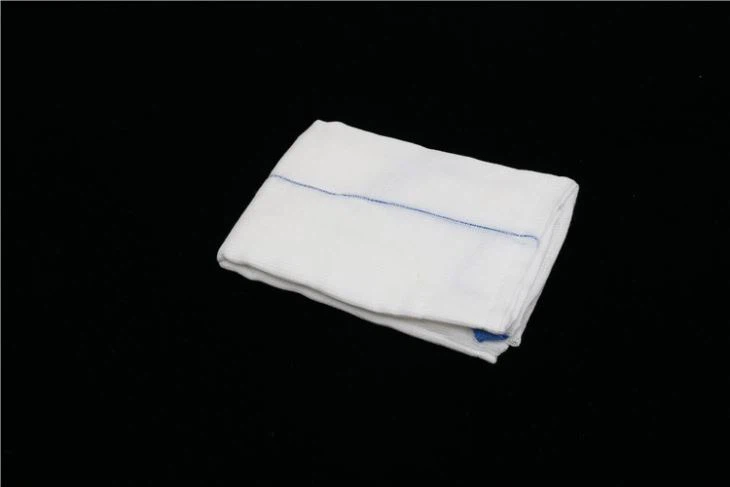
Now, let's look at the physical structure. Lap sponges are typically larger and bulkier than gauze. They come in various sizes, but they're generally big enough to cover a decent area. This makes them great for covering large wounds or surgical sites. You can easily place a lap sponge over a big incision to protect it and absorb any leakage.
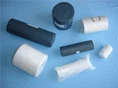
Gauze, on the other hand, comes in different forms - it can be in sheets, rolls, or even as small pads. The versatility of gauze's forms makes it useful for a wide range of applications. You can cut a gauze sheet to the size you need, or use a roll to wrap around a limb. It's also more flexible than lap sponges, which can be a bit stiff due to their thickness.
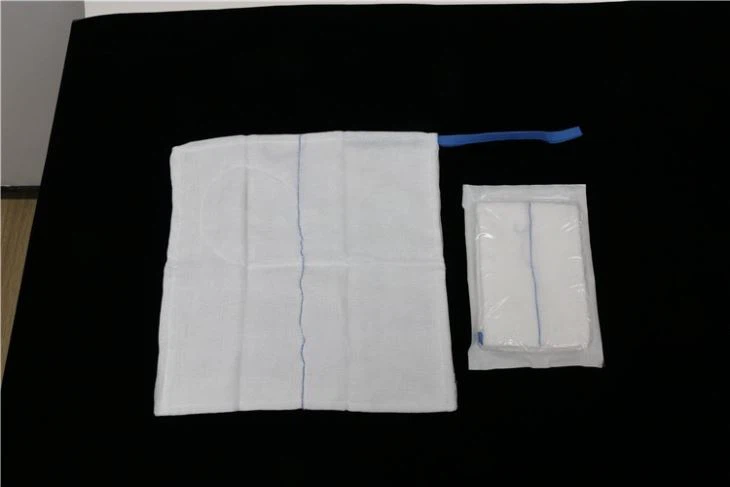
In terms of sterility, both lap sponges and gauze can be found in sterile and non - sterile forms. If you're looking for Sterile Lap Sponge, they're perfect for surgical procedures where maintaining a sterile environment is crucial. These sterile lap sponges are pre - packaged and go through a strict sterilization process to ensure they're free from any harmful microorganisms. Non - sterile lap sponges, like those available at Non - sterile Lap Sponge, can be used in less critical situations, such as general wound cleaning in a non - surgical setting.
Gauze also has sterile and non - sterile options. Sterile gauze is used in similar situations as sterile lap sponges, for example, in the operating room. Non - sterile gauze can be used for daily wound care at home.
Another aspect to consider is cost. Generally, lap sponges tend to be a bit more expensive than gauze. This is because of their larger size, higher absorbency, and the materials used to make them. However, in a medical setting, the cost might not be the only factor. The effectiveness and safety of the product are also extremely important. For a surgical procedure, using a high - quality lap sponge might be worth the extra cost to ensure the best possible outcome.
When it comes to ease of use, lap sponges are pretty straightforward. You just grab them and place them where you need them. They're easy to hold and manipulate during a procedure. Gauze, while also easy to use, might require a bit more finesse. For example, when wrapping a wound with gauze, you need to make sure it's wrapped tightly enough to stay in place but not so tight that it cuts off circulation.
Now, let's talk about the risk of foreign body retention. In a surgical setting, leaving a foreign object inside a patient is a serious concern. Lap sponges are usually marked with radiopaque threads. This means that if a lap sponge accidentally gets left inside a patient, it can be detected using X - rays. Gauze, on the other hand, might not always have this feature. So, in terms of safety and reducing the risk of foreign body retention, lap sponges have an edge.
In terms of application areas, lap sponges are mainly used in surgical procedures. They're used to control bleeding, absorb fluids, and protect the surgical site. They're also used in post - operative care to keep the wound clean and dry. Gauze, on the other hand, has a much wider range of applications. It's used in first - aid kits for minor cuts and scrapes, in hospitals for wound dressing changes, and even in some beauty treatments.
So, which one should you choose? Well, it really depends on the situation. If you're in a surgical setting and need something to handle a large amount of fluid and cover a big area, lap sponges are the way to go. But if you're dealing with a small wound at home or need something more flexible for a variety of tasks, gauze might be a better choice.
As a lap sponge supplier, I've seen firsthand how these products are used in different medical scenarios. And I'm here to help you make the right decision for your needs. Whether you're a hospital, a clinic, or a first - aid provider, we've got a wide range of lap sponges to meet your requirements. If you're interested in learning more about our products or starting a purchase, feel free to reach out. We can have a chat about your specific needs and see how we can best serve you.
References
- Medical Textbook on Surgical Supplies
- Journal of Clinical Nursing Supplies Research
- Industry Reports on Medical Absorbents