



What is a cotton ball made of?
As a supplier of cotton balls, I often get asked about the composition of these seemingly simple yet incredibly useful products. In this blog post, I'll take you on a detailed journey into what cotton balls are made of, their manufacturing process, and their various applications.
The Primary Material: Cotton
The main ingredient in a cotton ball is, of course, cotton. Cotton is a natural fiber that comes from the cotton plant, scientifically known as Gossypium. This plant is cultivated in many parts of the world, with countries like the United States, China, India, and Pakistan being major producers.
Cotton fibers are soft, fluffy, and have a unique structure. They are composed mainly of cellulose, a complex carbohydrate that gives the fibers their strength and flexibility. Cellulose is a polymer made up of glucose units linked together. This structure allows cotton fibers to absorb and retain moisture, making them ideal for a wide range of uses.
The quality of cotton used in cotton balls can vary. Higher - quality cotton typically has longer fibers, which are stronger and more uniform. Longer fibers also make it easier to spin the cotton into a soft and cohesive ball. When selecting cotton for our Cotton Wool Ball, we always look for cotton that is clean, free from impurities, and has a high absorbency rate.
Additional Materials
While cotton is the primary component, some cotton balls may contain other materials depending on their intended use.
Binders
In some cases, a small amount of binder may be added during the manufacturing process. Binders are substances that help hold the cotton fibers together. They are usually food - grade or medical - grade substances that are safe for human contact. The use of binders is more common in cotton balls that need to maintain a specific shape or density. For example, cotton balls used in industrial cleaning may have a stronger binder to prevent them from falling apart during use.
Antiseptics
For Sterile Cotton Wool Ball, antiseptics may be added. These antiseptics help to kill or inhibit the growth of microorganisms such as bacteria, fungi, and viruses. Common antiseptics used in sterile cotton balls include isopropyl alcohol, hydrogen peroxide, and iodine. These substances are carefully formulated to ensure that they are effective in preventing infections while still being gentle on the skin.
The Manufacturing Process
The process of making cotton balls involves several steps.
Harvesting and Cleaning
The first step is to harvest the cotton from the fields. Once harvested, the cotton is cleaned to remove any dirt, leaves, or other impurities. This is typically done using a series of machines that separate the cotton fibers from the rest of the plant material.
Carding
After cleaning, the cotton fibers are carded. Carding is a process that aligns the fibers in a parallel direction and removes any remaining short fibers or tangles. This results in a soft, fluffy mass of cotton that is ready for the next step.
Ball Formation
The carded cotton is then formed into balls. This can be done manually or using automated machines. In manual production, workers take a small amount of cotton and roll it between their hands to form a ball. In automated production, machines use rollers and molds to shape the cotton into uniform balls of the desired size.
Packaging
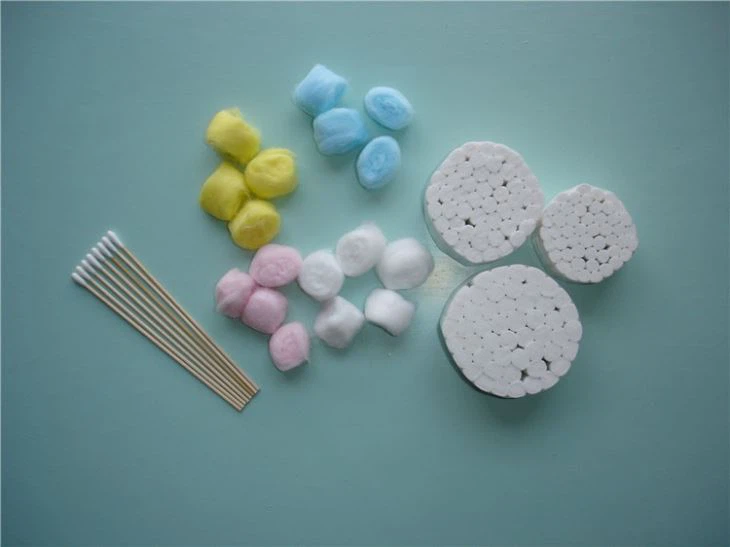
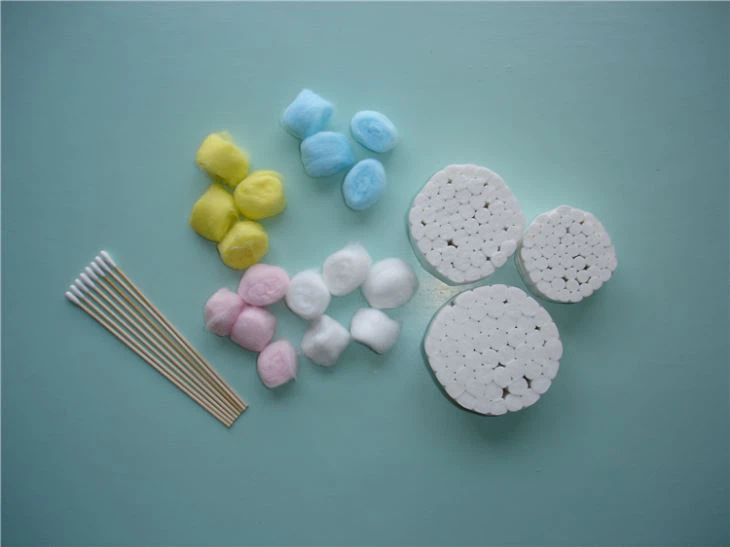
Once the cotton balls are formed, they are packaged. For non - sterile cotton balls, they are usually packed in plastic bags or containers. For sterile cotton balls, they are placed in sealed packages and then sterilized using methods such as gamma irradiation or steam sterilization.
Applications of Cotton Balls
Cotton balls have a wide range of applications in various industries.
Personal Care
In the personal care industry, cotton balls are commonly used for makeup removal, skincare, and nail care. Their soft texture makes them gentle on the skin, and their high absorbency allows them to soak up liquids such as makeup remover, toner, or nail polish remover.
Medical and Healthcare
In the medical field, cotton balls are used for wound cleaning, applying antiseptics, and collecting blood samples. Sterile cotton balls are essential for preventing infections during medical procedures. They are also used in hospitals, clinics, and home healthcare settings.
Industrial Cleaning
Cotton balls are also used in industrial cleaning. Their absorbent nature makes them useful for cleaning up spills, applying solvents, and polishing surfaces. They can be used in a variety of industries, including electronics, automotive, and manufacturing.
Why Choose Our Cotton Balls
As a supplier, we take pride in offering high - quality cotton balls. Our cotton balls are made from the finest quality cotton, ensuring maximum absorbency and softness. We have strict quality control measures in place at every stage of the manufacturing process to ensure that our products meet the highest standards.
Whether you need cotton balls for personal use, medical applications, or industrial cleaning, we have the right product for you. Our Cotton Wool Ball and Sterile Cotton Wool Ball are available in different sizes and quantities to meet your specific needs.
If you're interested in purchasing our cotton balls, we invite you to contact us for more information. We are always happy to discuss your requirements and provide you with a competitive quote. Our team of experts is ready to assist you in finding the perfect cotton ball solution for your business.
References
- “Cotton: A Natural Fiber.” Cotton Incorporated.
- “Medical Textiles: Properties and Applications.” Elsevier.
- “Industrial Cleaning Materials and Techniques.” Wiley - Blackwell.