



Hey there! As a supplier of training bandages, I often get asked the question: "How often should I change a training bandage?" It's a crucial query, and in this blog, I'll break it down for you based on different scenarios and factors.
First off, let's understand what training bandages are used for. Training bandages are commonly used in various settings, like sports training, first - aid training, and even in some medical simulations. They help in providing support, compression, and protection to the body parts they're wrapped around.
Factors Affecting Bandage Change Frequency
1. Type of Activity
If you're using a training bandage during intense physical activities, like a high - impact sports game or a strenuous workout session, you might need to change it more frequently. Sweating is a major factor here. When you sweat, the moisture gets trapped inside the bandage. This not only makes the bandage uncomfortable but can also create a breeding ground for bacteria. For example, in a long - duration football match where players are constantly moving and sweating, the bandage can get saturated within a couple of hours. In such cases, it's advisable to change the bandage every 2 - 3 hours to keep things clean and dry.
On the other hand, if the activity is less strenuous, like a light stretching or a short yoga session, the bandage may stay dry and in good condition for a longer time. You could probably get away with changing it every 4 - 6 hours.
2. Location of the Bandage
The part of the body where the bandage is applied also plays a role. Bandages on areas that are more prone to friction, like the knees or elbows, may wear out faster. The constant bending and movement can cause the bandage to loosen or fray. For instance, if you're using a 4 Inch Training Bandage on your elbow during weightlifting, it may need to be changed every 3 - 4 hours as it's constantly being stretched and rubbed.
In contrast, a bandage on a relatively stationary part of the body, such as the abdomen, can last longer. An Abdominal Training Bandage may only need to be changed every 6 - 8 hours, assuming there's no excessive sweating or other issues.
3. Bandage Material
The material of the training bandage matters a great deal. Some bandages are made of breathable materials that allow air to circulate and wick away moisture. These types of bandages can keep the skin dry for a longer time and may not need to be changed as often. For example, a bandage made of a high - tech synthetic fabric with moisture - wicking properties can last 4 - 6 hours even during moderate activity.
However, if the bandage is made of a thick, non - breathable material, it can trap sweat and heat, leading to skin irritation and a higher risk of infection. In this case, you should change it every 2 - 3 hours to prevent any problems.
Signs That Indicate a Bandage Change
1. Looseness
If the bandage starts to feel loose and is no longer providing the necessary support or compression, it's time to change it. A loose bandage can shift around, which may not only be ineffective but can also cause discomfort. For example, if you're using a 6 Inch Training Bandage on your ankle and it keeps slipping down, it's a clear sign that you need a new one.
2. Soiling
Visible dirt, blood, or other contaminants on the bandage are obvious indicators that it should be changed. In a training environment, especially in first - aid training where mock injuries are simulated, the bandage can get dirty quickly. Even if there's just a small amount of dirt, it's better to err on the side of caution and replace the bandage to maintain hygiene.
3. Skin Irritation
If you notice redness, itching, or any signs of skin irritation under the bandage, it's a sign that the bandage may be causing a problem. This could be due to moisture buildup, friction, or an allergic reaction to the bandage material. In such cases, remove the bandage immediately and apply a new one after checking the skin condition.
General Guidelines
For most general training situations, here are some rough guidelines:
- Light Activity: If you're engaged in light activities like walking or gentle stretching, change the bandage every 4 - 6 hours.
- Moderate Activity: For moderate - intensity workouts such as jogging or cycling, change the bandage every 3 - 4 hours.
- Intense Activity: During high - impact sports or heavy - duty training, change the bandage every 2 - 3 hours.
It's also important to note that these are just guidelines, and you should always use your judgment based on the actual condition of the bandage and the skin beneath it.
Why Quality Bandages Matter
As a training bandage supplier, I can't stress enough the importance of using high - quality bandages. Good - quality bandages are more likely to last longer, provide better support, and be more comfortable to wear. They're also less likely to cause skin problems. When you invest in a quality bandage, you may find that you don't have to change it as frequently, which can save you time and money in the long run.
Contact Us for Your Bandage Needs
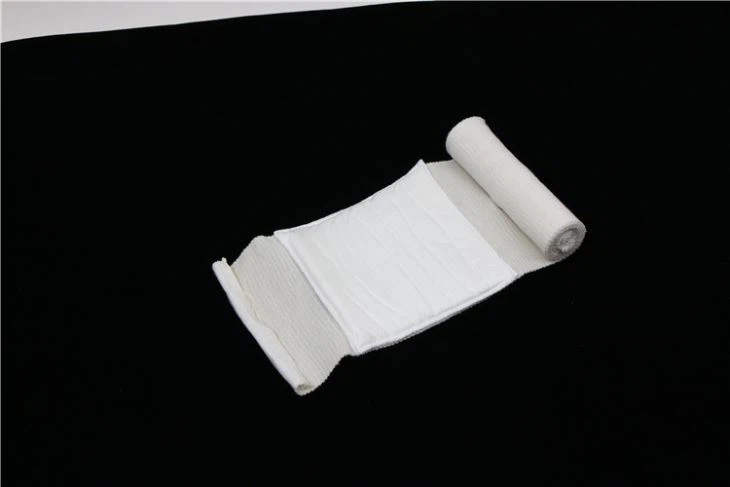
If you're in the market for training bandages, whether it's the 6 Inch Training Bandage, Abdominal Training Bandage, or 4 Inch Training Bandage, we've got you covered. We offer a wide range of bandages that are designed to meet the needs of different training scenarios. Contact us to discuss your requirements and start a procurement process. We're here to help you find the best bandages for your training needs.
References
- American Academy of Sports Medicine. Guidelines for Sports Training Equipment.
- International First - Aid Training Association. Best Practices for Training Bandage Use.