




As a supplier of training bandages, I've witnessed firsthand the importance of securing these bandages effectively. Training bandages are essential tools in various fields, from sports to medical training, and proper securing ensures their functionality and reliability. In this blog post, I'll share some of the best ways to secure a training bandage, drawing on industry knowledge and practical experience.

Understanding the Basics of Training Bandages
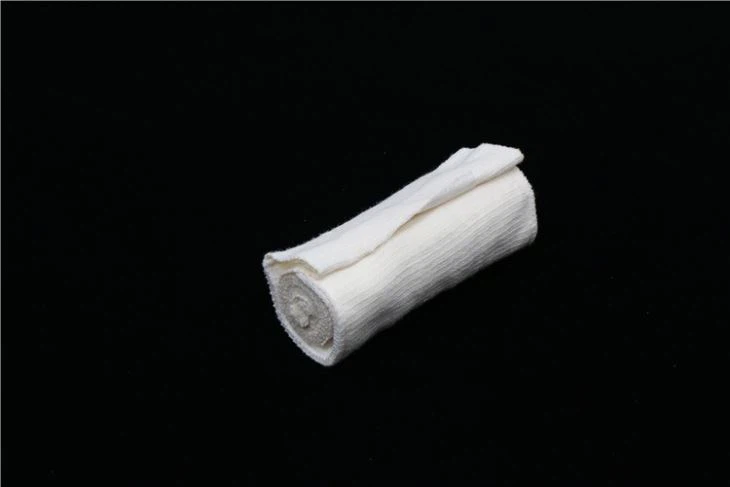
Before delving into the securing methods, it's crucial to understand the different types of training bandages available. At our company, we offer a range of options, including the 4 Inch Training Bandage, Abdominal Training Bandage, and 6 Inch Training Bandage. Each type is designed for specific applications, and the securing method may vary depending on the bandage's size, shape, and intended use.
Preparing the Area
The first step in securing a training bandage is to prepare the area where it will be applied. This involves cleaning the skin to remove any dirt, sweat, or oils that could affect the bandage's adhesion. If the skin is wet, dry it thoroughly before applying the bandage. Additionally, ensure that the area is free of any hair that could interfere with the bandage's grip. You can use a hair removal cream or trim the hair if necessary.
Choosing the Right Technique
There are several techniques for securing a training bandage, and the choice depends on the type of bandage and the area of the body where it will be applied. Here are some common techniques:
Spiral Wrapping
Spiral wrapping is one of the most basic and widely used techniques for securing a training bandage. To use this technique, start by placing the end of the bandage at the base of the area to be covered. Then, wrap the bandage around the limb or body part in a spiral motion, overlapping each layer by about half of the bandage's width. Continue wrapping until the desired area is covered, and secure the end of the bandage with a clip or tape.
Figure-Eight Wrapping
Figure-eight wrapping is ideal for joints, such as the ankle or knee. To use this technique, start by wrapping the bandage around the limb just below the joint. Then, cross the bandage over the joint and wrap it around the limb on the other side. Repeat this process, creating a figure-eight pattern around the joint. This technique provides support and stability to the joint while allowing for a full range of motion.
Circular Wrapping
Circular wrapping is used to secure the bandage at the beginning and end of the application. To use this technique, simply wrap the bandage around the limb or body part in a circular motion, overlapping each layer completely. This helps to anchor the bandage and prevent it from slipping.
Ensuring Proper Tension
Proper tension is crucial when securing a training bandage. If the bandage is too tight, it can restrict blood flow and cause discomfort or injury. On the other hand, if the bandage is too loose, it may not provide adequate support or stay in place. To ensure proper tension, start by wrapping the bandage snugly but not too tightly. You should be able to fit one finger between the bandage and the skin. As you wrap the bandage, adjust the tension as needed to maintain a consistent level of support.
Using Additional Securing Methods
In some cases, you may need to use additional securing methods to ensure that the training bandage stays in place. Here are some options:
Bandage Clips
Bandage clips are small, plastic or metal devices that can be used to secure the end of the bandage. They are easy to use and provide a secure hold. Simply clip the bandage clip onto the end of the bandage, and it will stay in place.
Tape
Tape can also be used to secure the end of the bandage or to reinforce the bandage's grip. Choose a tape that is hypoallergenic and gentle on the skin. Apply the tape over the end of the bandage or along the edges to prevent it from unraveling.
Adhesive Bandage
An adhesive bandage can be used to cover the end of the bandage and provide additional protection. Cut the adhesive bandage to the appropriate size and apply it over the end of the bandage, pressing it firmly to ensure a good seal.
Checking for Comfort and Mobility
After securing the training bandage, it's important to check for comfort and mobility. The bandage should not cause any pain or discomfort, and it should allow for a full range of motion. If the bandage feels too tight or restrictive, adjust it as needed. Additionally, check for any signs of swelling or discoloration, which could indicate that the bandage is too tight and is restricting blood flow.
Maintaining the Bandage
Once the training bandage is secured, it's important to maintain it to ensure its effectiveness. This involves checking the bandage regularly for signs of wear or damage. If the bandage becomes loose or starts to unravel, re-secure it using the appropriate technique. Additionally, replace the bandage if it becomes dirty or wet, as this can affect its adhesion and functionality.
Conclusion
Securing a training bandage effectively is essential for its functionality and reliability. By following the steps outlined in this blog post, you can ensure that your training bandage stays in place and provides the support and protection you need. Remember to choose the right type of bandage for your needs, prepare the area properly, use the appropriate securing technique, and maintain the bandage regularly.
If you're interested in purchasing high-quality training bandages, we invite you to contact us for more information. Our team of experts can help you choose the right bandage for your specific application and provide you with all the support you need. We offer a wide range of training bandages, including the 4 Inch Training Bandage, Abdominal Training Bandage, and 6 Inch Training Bandage. Contact us today to start a conversation about your training bandage needs.
References
- American Academy of Orthopaedic Surgeons. (n.d.). Bandaging Techniques. Retrieved from [Website URL]
- Mayo Clinic. (n.d.). How to Bandage a Wound. Retrieved from [Website URL]
- World Health Organization. (n.d.). First Aid Training Manual. Retrieved from [Website URL]