






Hey there! As a lap sponge supplier, I often get asked all sorts of questions about our products. One question that pops up quite a bit is, "What is the maximum temperature a lap sponge can withstand?" Well, let's dive right into it and break it down.
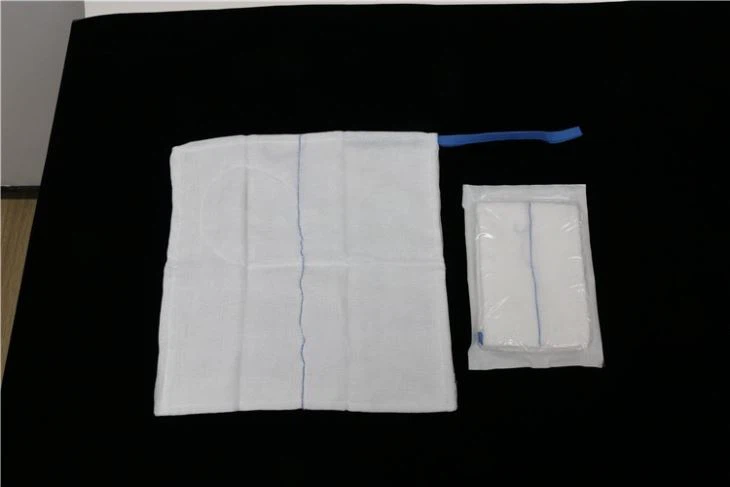
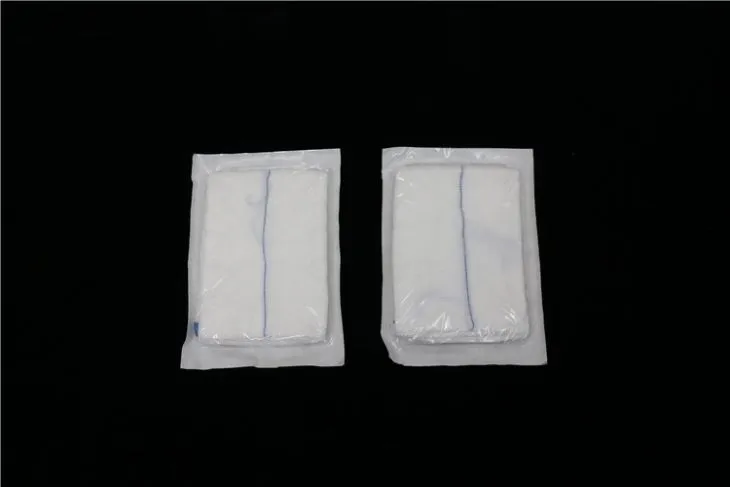
First off, let's talk a bit about what lap sponges are. Lap sponges are super useful in a bunch of medical and industrial settings. They're mainly used for absorbing fluids, cleaning wounds, and keeping things tidy during procedures. They come in two main types: Non-sterile Lap Sponge and Sterile Lap Sponge. The non - sterile ones are great for general cleaning and less critical applications, while the sterile ones are a must - have for surgical procedures where preventing infections is crucial.
Now, onto the big question about temperature resistance. Lap sponges are typically made from cotton or a blend of cotton and other fibers. Cotton is a pretty common material because it's absorbent, soft, and relatively easy to work with. But when it comes to heat, cotton has its limits.
Cotton starts to show some changes when it reaches around 150°C (302°F). At this temperature, the fibers begin to lose their moisture and start to become a bit brittle. The longer the exposure to this temperature, the more the fibers break down. If you heat cotton to around 200°C (392°F), things start to get serious. The fibers will start to char, and you'll notice a change in color and texture. They'll become darker and more brittle, and their absorbency will be significantly reduced.
In a real - world scenario, most medical and industrial applications don't expose lap sponges to such high temperatures. In a medical setting, for example, sterilization is usually done using steam at around 121°C (250°F) for about 15 - 20 minutes. This is a standard autoclaving process that effectively kills bacteria and other pathogens without causing too much damage to the lap sponges.
In industrial settings, lap sponges might be used in environments where there's some heat, but it's usually well below the critical temperature for cotton. For instance, in some manufacturing processes where there's a bit of heat generated during machining or assembly, the temperature might reach 50 - 80°C (122 - 176°F). At these temperatures, lap sponges can still function normally and continue to absorb fluids as needed.
However, if you're thinking about using lap sponges in an environment with extremely high temperatures, say above 200°C, it's not a good idea. The sponges will lose their integrity, and they might even pose a fire hazard.
Another thing to consider is how the temperature affects the performance of the lap sponges. As the temperature rises, the absorbency of the lap sponges decreases. This is because the heat causes the fibers to shrink and the pores in the sponge to close up. So, even if the sponge doesn't char or burn, its ability to soak up fluids will be compromised.
Let's talk about how we test the temperature resistance of our lap sponges. We use a combination of laboratory tests and real - world simulations. In the lab, we expose samples of our lap sponges to different temperatures for various lengths of time. We measure things like changes in weight, color, and absorbency. We also look at the physical structure of the fibers under a microscope to see how they're affected by the heat.
In real - world simulations, we work with our customers in different industries to see how the lap sponges perform in their specific environments. This helps us get a better understanding of how the sponges will hold up in actual use.
Now, you might be wondering why it's important to know the maximum temperature a lap sponge can withstand. Well, in a medical setting, if you accidentally expose a lap sponge to too much heat during sterilization or in the operating room, it could affect its performance and potentially put patients at risk. In an industrial setting, using a lap sponge that can't handle the heat could lead to equipment damage or production delays.
So, to sum it up, the maximum temperature a lap sponge can withstand depends on the material it's made of. For cotton - based lap sponges, it's around 200°C (392°F), but it's best to keep them well below this temperature to ensure optimal performance.
If you're in the market for lap sponges, whether it's the Non-sterile Lap Sponge for general use or the Sterile Lap Sponge for medical procedures, we've got you covered. We pride ourselves on providing high - quality lap sponges that meet all the necessary standards.
If you have any questions about our products or want to discuss your specific needs, don't hesitate to reach out. We're always happy to have a chat and help you find the right lap sponges for your situation. Whether you're a hospital looking for reliable medical supplies or an industrial company in need of absorbent materials, we're here to assist you.
References:
- Textile Chemistry: Fundamentals, Processes, and Applications. By B. C. Gupta.
- Medical Sterilization Technology: Principles and Practices. By J. M. Boyce.