





What is the Width of an Israeli Bandage?
As a supplier of Israeli Bandages, I often encounter questions from customers about the specifications of these essential medical products, and one of the most frequently asked questions is about the width of an Israeli Bandage. In this blog post, I'll delve into the details of the widths available, their significance, and how they cater to different medical needs.
Israeli Bandages, also known as emergency trauma bandages, have gained widespread recognition and use in various fields, including military, first - aid, and emergency medical services. Their design is a result of years of research and practical experience, aiming to provide effective wound management in critical situations.

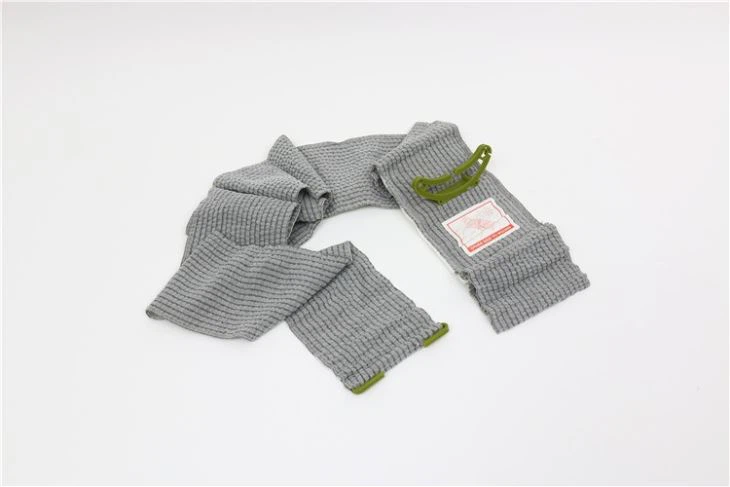
Common Widths of Israeli Bandages
Israeli Bandages come in a range of widths to accommodate different types of wounds and injuries. The most common widths are 4 inches and 6 inches.
The 4 - inch Israeli Bandage is a versatile option. It is suitable for a wide variety of wounds, especially those that are not overly large. For example, it can be used to dress wounds on the arms, legs, and smaller abdominal injuries. Its relatively narrow width allows for precise application, making it easier to wrap around smaller body parts without excessive bulk. This width is also great for situations where space is limited, such as in a first - aid kit carried by an individual in a backpack during outdoor activities.
On the other hand, the 6 Inch Israeli Trauma Dressing Bandage offers a broader coverage area. It is specifically designed for larger wounds, such as significant abdominal trauma. The wider surface area can cover more extensive injuries, providing better protection and pressure distribution. In cases of severe abdominal wounds, the 6 - inch width can ensure that the entire wound is properly covered, reducing the risk of infection and promoting faster healing.
Significance of Width in Wound Management
The width of an Israeli Bandage plays a crucial role in its effectiveness in wound management. A properly sized bandage can provide the right amount of pressure to control bleeding. When a bandage is too narrow for a large wound, it may not be able to apply sufficient pressure across the entire wound area, leading to continued bleeding. Conversely, if a bandage is too wide for a small wound, it can be cumbersome to apply and may not conform well to the body part, potentially leaving gaps that could allow for infection.
For abdominal injuries, in particular, the width is of utmost importance. Abdominal wounds can be life - threatening, and a well - fitting bandage is essential to prevent internal organs from protruding and to control bleeding. The Israeli Abdominal Trauma Dressing Bandage is designed with a specific width to address these concerns. It provides a large enough surface area to cover the abdominal cavity adequately, while also being able to be secured tightly to maintain pressure on the wound.
In military settings, where injuries can occur in high - stress and unpredictable situations, having the right width of Israeli Bandage can make a significant difference in saving lives. Military personnel often carry both 4 - inch and 6 - inch bandages in their first - aid kits to be prepared for a wide range of injuries. The Military Trauma Bandage is designed to meet the rigorous demands of the battlefield, and the different widths ensure that soldiers can address various types of wounds effectively.
Selecting the Right Width
When it comes to selecting the right width of an Israeli Bandage, it is essential to consider the nature and size of the wound. First - aid providers should be trained to assess the injury accurately and choose the appropriate bandage width. In a pre - hospital setting, such as an ambulance or a first - responder vehicle, having a variety of widths available is crucial to handle different types of patients and injuries.
For individuals who are purchasing Israeli Bandages for personal use, such as for home first - aid kits or outdoor activities, it is recommended to have both 4 - inch and 6 - inch bandages. This way, they are prepared for a wide range of potential injuries. A 4 - inch bandage can handle minor cuts and scrapes, while a 6 - inch bandage can be used in case of more serious injuries.
Our Offerings as a Supplier
As a supplier of Israeli Bandages, we understand the importance of providing high - quality products in the right widths. Our inventory includes a wide selection of both 4 - inch and 6 - inch Israeli Bandages. We source our products from reliable manufacturers who adhere to strict quality control standards. Our bandages are made from high - quality materials that are both absorbent and durable, ensuring that they can effectively control bleeding and protect the wound.
We also offer competitive pricing and flexible ordering options. Whether you are a small business looking to stock up on first - aid supplies or a large organization in need of bulk orders, we can accommodate your needs. Our customer service team is always available to answer any questions you may have about our products, including the width and other specifications.
Conclusion
The width of an Israeli Bandage is a critical factor in its effectiveness in wound management. The 4 - inch and 6 - inch widths are the most common and serve different purposes, catering to a wide range of injuries. As a supplier, we are committed to providing our customers with the best - quality Israeli Bandages in the right widths to meet their specific needs.
If you are interested in purchasing Israeli Bandages for your first - aid needs, whether for personal, commercial, or military use, we encourage you to contact us. Our team is ready to assist you in finding the right products and answering any questions you may have. We look forward to the opportunity to serve you and help you be better prepared for any medical emergencies.
References
- American Red Cross. First Aid and CPR/AED Participant's Manual.
- Military Handbook on Combat Casualty Care.
- Journal of Emergency Medicine, various articles on trauma wound management.