





Hey there, fellow pet lovers! As a supplier of Sterile Gauze Balls, I often get asked if these little medical essentials can be used on our furry friends. Well, let's dive right into it and find out if sterile gauze balls are a go - to for our pets.
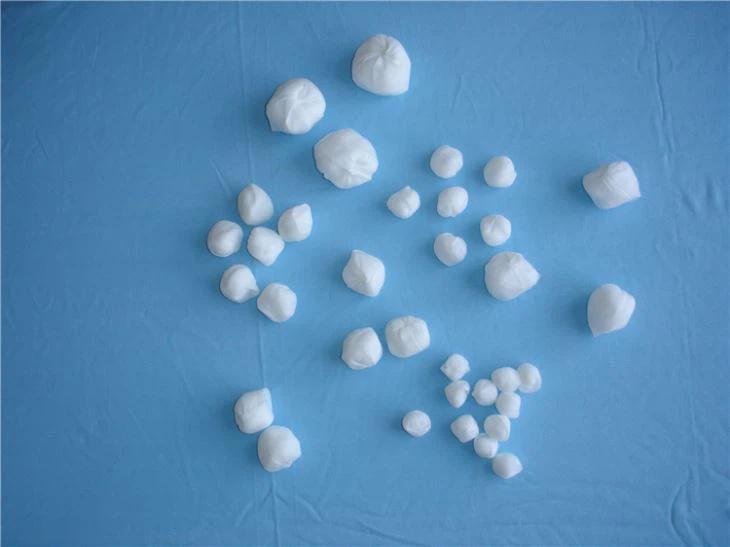

First off, what exactly are sterile gauze balls? A Sterile Gauze Ball is a small, pre - made ball of gauze that has been sterilized. Sterilization is super important as it gets rid of any harmful microorganisms like bacteria, viruses, and fungi. This means when you use it on your pet, you're less likely to introduce new infections to an existing wound.
Now, why would you need to use a sterile gauze ball on your pet? There are quite a few reasons. If your pet has a cut or a scrape, the first thing you want to do is clean the wound. A sterile gauze ball is perfect for this. You can dampen it with a mild antiseptic solution and gently wipe the area around the wound. This helps to remove dirt, debris, and any potential contaminants. It's like giving the wound a little pre - treatment before you take your pet to the vet.
Another situation where sterile gauze balls come in handy is when you need to apply pressure to stop bleeding. If your pet has a minor cut that's bleeding, you can grab a Sterile Non - woven Gauze Ball and press it firmly against the wound. The gauze will absorb the blood and, with some pressure, can help the blood to clot. Just make sure you hold it in place for a few minutes until the bleeding slows down or stops.
But it's not all sunshine and rainbows. There are some things you need to be careful about when using sterile gauze balls on pets. One of the biggest concerns is if your pet tries to chew or swallow the gauze. This can be extremely dangerous as it can cause blockages in their digestive system. So, while you're using the gauze on your pet, keep a close eye on them. If they start showing interest in the gauze, try to distract them or use a muzzle if necessary.
You also need to be careful about the size of the gauze ball. If it's too big, it might be difficult to handle, especially if you're dealing with a small wound on a tiny pet like a hamster or a guinea pig. On the other hand, if it's too small, it might not be effective in cleaning or applying pressure. So, choose the right size based on the situation.
Now, you might be wondering about non - sterile options. There are Non - sterile Non - woven Gauze Ball available in the market. But when it comes to your pet's health, I'd always recommend going for the sterile ones. Non - sterile gauze might have all sorts of germs on it, and using it on an open wound can increase the risk of infection. It's better to be safe than sorry, right?
Let's talk about how to store your sterile gauze balls. You want to keep them in a cool, dry place. If they get wet or exposed to high humidity, the sterility can be compromised. Also, make sure the packaging is intact. Once you open a pack, use the gauze balls as soon as possible. Don't leave them sitting around for too long as they can start to pick up germs from the environment.
If you're a pet owner, having a few sterile gauze balls in your pet first - aid kit is a great idea. It's like having a little safety net for those unexpected moments when your pet gets hurt. And if you're a vet or work in a pet - related business, having a good supply of sterile gauze balls is essential. You never know when you're going to need them.
So, can sterile gauze balls be used on pets? Absolutely! They're a versatile and useful tool in pet first - aid. But like with any medical product, you need to use them correctly and be aware of the potential risks.
If you're interested in purchasing high - quality sterile gauze balls for your pets or your business, don't hesitate to reach out. We're here to help you get the right products at the best prices. Whether you're a small - time pet owner or a large - scale veterinary clinic, we've got you covered.
Let's work together to keep our furry friends healthy and safe. We look forward to hearing from you and discussing your specific needs.
References
- American Veterinary Medical Association. "Pet First - Aid Basics."
- The Merck Veterinary Manual. "Wound Management in Animals."