



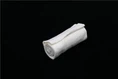

Dental rolls are essential tools in the dental industry, used for a variety of purposes such as isolating teeth during procedures, absorbing saliva, and providing a dry field for dental work. As a supplier of Dental Roll, I am often asked about the manufacturing process of these products. In this blog post, I will take you through the step-by-step process of how dental rolls are manufactured, from the raw materials to the finished product.
Raw Materials
The primary raw material used in the manufacturing of dental rolls is cotton. Cotton is a natural fiber that is soft, absorbent, and hypoallergenic, making it an ideal choice for dental applications. The cotton used in dental rolls is typically of high quality and is sourced from reputable suppliers.
In addition to cotton, other materials may be used in the manufacturing process, depending on the specific requirements of the dental roll. For example, some dental rolls may be treated with antimicrobial agents to prevent the growth of bacteria, while others may be coated with a thin layer of wax to improve their handling properties.
Step 1: Cotton Preparation
The first step in the manufacturing process is the preparation of the cotton. The raw cotton is typically received in large bales, which are then opened and cleaned to remove any impurities such as dirt, seeds, and leaves. This is usually done using a series of machines, including a bale opener, a carding machine, and a combing machine.
The bale opener is used to break up the large bales of cotton and separate the fibers. The carding machine then combs the fibers to align them in a parallel direction, while the combing machine removes any short fibers and impurities that may still be present.
Step 2: Fiber Blending
Once the cotton fibers have been prepared, they may be blended with other fibers or materials to improve the properties of the dental roll. For example, some manufacturers may blend the cotton with synthetic fibers such as polyester or rayon to increase the strength and durability of the dental roll.

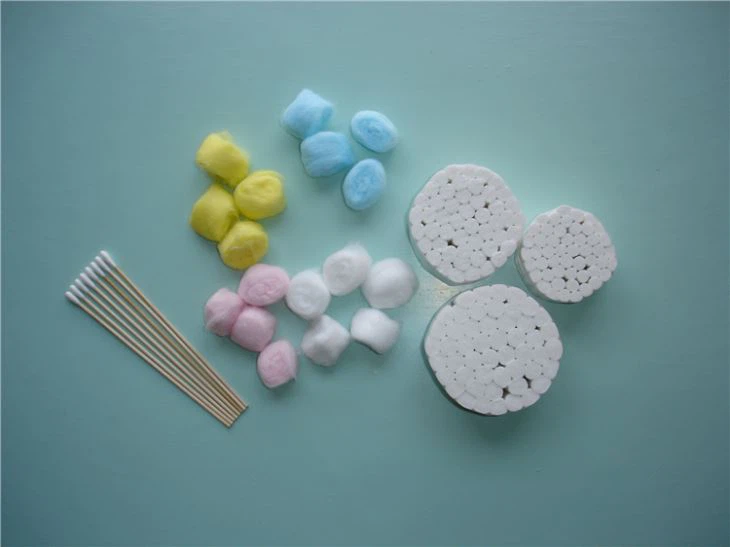
The blending process is typically done using a blending machine, which mixes the different fibers together to create a homogeneous blend. The ratio of the different fibers used in the blend will depend on the specific requirements of the dental roll.
Step 3: Spinning
After the fiber blending process, the blended fibers are spun into yarn. Spinning is the process of twisting the fibers together to form a continuous strand of yarn. There are several different spinning methods that can be used, including ring spinning, open-end spinning, and air-jet spinning.
Ring spinning is the most common spinning method used in the manufacturing of dental rolls. It involves passing the fibers through a series of rollers and spindles, which twist the fibers together to form a yarn. The yarn is then wound onto a bobbin or a cone for further processing.
Step 4: Weaving or Knitting
Once the yarn has been spun, it is ready to be woven or knitted into fabric. Weaving is the process of interlacing two sets of yarns at right angles to each other to form a fabric, while knitting is the process of looping the yarns together to form a fabric.
The choice of weaving or knitting method will depend on the specific requirements of the dental roll. For example, some dental rolls may be woven using a plain weave or a twill weave, while others may be knitted using a circular knitting machine.
Step 5: Cutting and Shaping
After the fabric has been woven or knitted, it is cut and shaped into the desired size and shape of the dental roll. This is usually done using a cutting machine, which cuts the fabric into strips of the appropriate width and length.
The strips of fabric are then rolled into a cylindrical shape using a rolling machine. The diameter and length of the dental roll will depend on the specific requirements of the dental application.
Step 6: Sterilization
Once the dental rolls have been cut and shaped, they are sterilized to ensure that they are free from any microorganisms. Sterilization is typically done using a steam autoclave or a chemical sterilization process.
Steam autoclaving is the most common method of sterilization used in the dental industry. It involves placing the dental rolls in a sealed container and subjecting them to high-pressure steam at a temperature of around 121°C for a specific period of time. This process kills any microorganisms that may be present on the dental rolls.
Step 7: Packaging
After the dental rolls have been sterilized, they are packaged in a sterile container to maintain their sterility until they are ready to be used. The packaging materials used will depend on the specific requirements of the dental roll. For example, some dental rolls may be packaged in individual sealed packets, while others may be packaged in bulk containers.
The packaging materials used must be able to protect the dental rolls from contamination and damage during storage and transportation. They must also be easy to open and use in a dental setting.
Step 8: Quality Control
Throughout the manufacturing process, quality control measures are implemented to ensure that the dental rolls meet the highest standards of quality and safety. This includes testing the raw materials, monitoring the manufacturing process, and testing the finished products.
The raw materials are tested for their quality and purity, while the manufacturing process is monitored to ensure that it is carried out in accordance with the established procedures and standards. The finished products are then tested for their physical and chemical properties, as well as their performance in dental applications.
Conclusion
In conclusion, the manufacturing process of dental rolls is a complex and highly regulated process that involves several different steps, from the preparation of the raw materials to the packaging of the finished product. As a supplier of Dental Roll, we are committed to providing our customers with high-quality dental rolls that meet the highest standards of quality and safety.
If you are interested in purchasing dental rolls or have any questions about our products, please feel free to contact us. We would be happy to discuss your requirements and provide you with more information about our Dental Roll and Cotton Wool Roll products.
References
- "Textile Manufacturing Processes." Encyclopedia Britannica.
- "Dental Materials and Their Selection." Dental Economics.
- "Quality Control in the Manufacturing of Dental Products." Journal of Dental Research.